Ensuring Fairness: Automated Conflict Detection in Academic Reviews
Discover how AbstractPanel uses automated algorithms to detect conflicts of interest, ensuring unbiased double-blind peer reviews for academic conferences.
The Future of Academic Integrity: Automated Conflict Detection
Organizing an academic conference requires strict adherence to fairness. The credibility of a university or an association rests on the quality of its peer review process. However, as submission numbers grow, manually managing reviewers and detecting potential biases becomes a significant challenge.
AbstractPanel addresses this critical pain point with its advanced Review Module. By automating the detection of conflicts of interest, we help conference organizers maintain the highest standards of academic integrity without the manual workload.
The Challenge of Manual Review Management
In a traditional workflow, organizers must manually cross-reference authors and reviewers. They look for shared institutions, previous collaborations, or personal relationships. This process is time-consuming and prone to human error. If a conflict of interest is missed, it can compromise the validity of the research acceptance and damage the reputation of the conference.
How AbstractPanel Automates Integrity
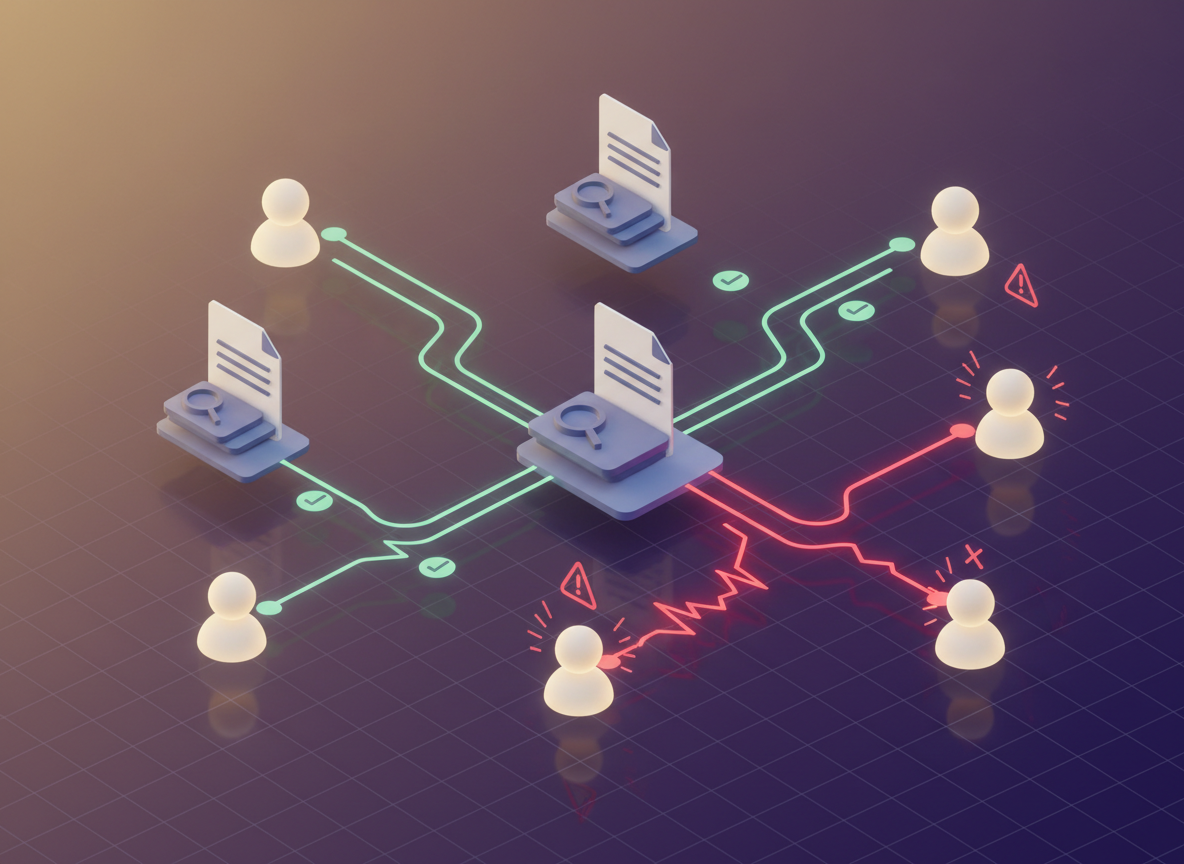
AbstractPanel replaces manual checking with intelligent algorithms designed specifically for the academic sector. Our system ensures a true Double-Blind Review process through the following technical capabilities:
Smart Matching Algorithms: The system analyzes metadata from
reviewer_expertiseand author profiles to identify obvious overlaps in affiliation or history.Proactive Conflict Declarations: The database structure includes dedicated tables for
conflict_declarations. Reviewers are prompted to declare conflicts before accepting an assignment, feeding the algorithm for future exclusion.Automated Assignment Logic: The
AssignmentServiceautomatically filters out conflicted reviewers during the distribution of papers, ensuring no paper is ever sent to a biased party.Double-Blind Anonymity: The system architecture enforces strict anonymity, preventing reviewers from seeing author details until the final decision is made.
Technical Reliability and Quality Assurance
We do not just assume the system works; we prove it. Our comprehensive specification includes Property-Based Tests specifically for the Review Module. For example, we run continuous tests to verify that "conflicted reviewers are never assigned" to a paper. This rigorous testing ensures that the logic holds up even when managing thousands of submissions simultaneously.
Why This Matters for Universities
For academic institutions, the peer review process is the heart of scientific progress. Using a system that mathematically guarantees the separation of conflicting parties protects your institution's reputation. It allows your academic committee to focus on the content of the research rather than the logistics of the review.
Exclusive Offer for Academia: We believe that cost should never be a barrier to scientific advancement. That is why AbstractPanel offers a Free License for Universities. Educational institutions can access these enterprise-grade review tools at no cost, empowering the next generation of researchers.